Carcar: Cebu's Lechon City and Heritage District
Carcar is Cebu's canonical lechon city and Spanish-colonial heritage town, 45 minutes south of Cebu City. What's at the market, the plaza, and the route stop.
Carcar is a chartered city about 40 kilometres south of Cebu City on the south road — roughly 45 minutes to an hour by Ceres bus from CSBT, or by private vehicle if the morning traffic out of the city cooperates. The route is the same one most travellers take going to Moalboal or Oslob, which means Carcar is the standard half-day or hour-long stop on the way south. Most visitors don’t stay overnight; they eat lechon, browse the public market, take photos at the plaza, and move on.
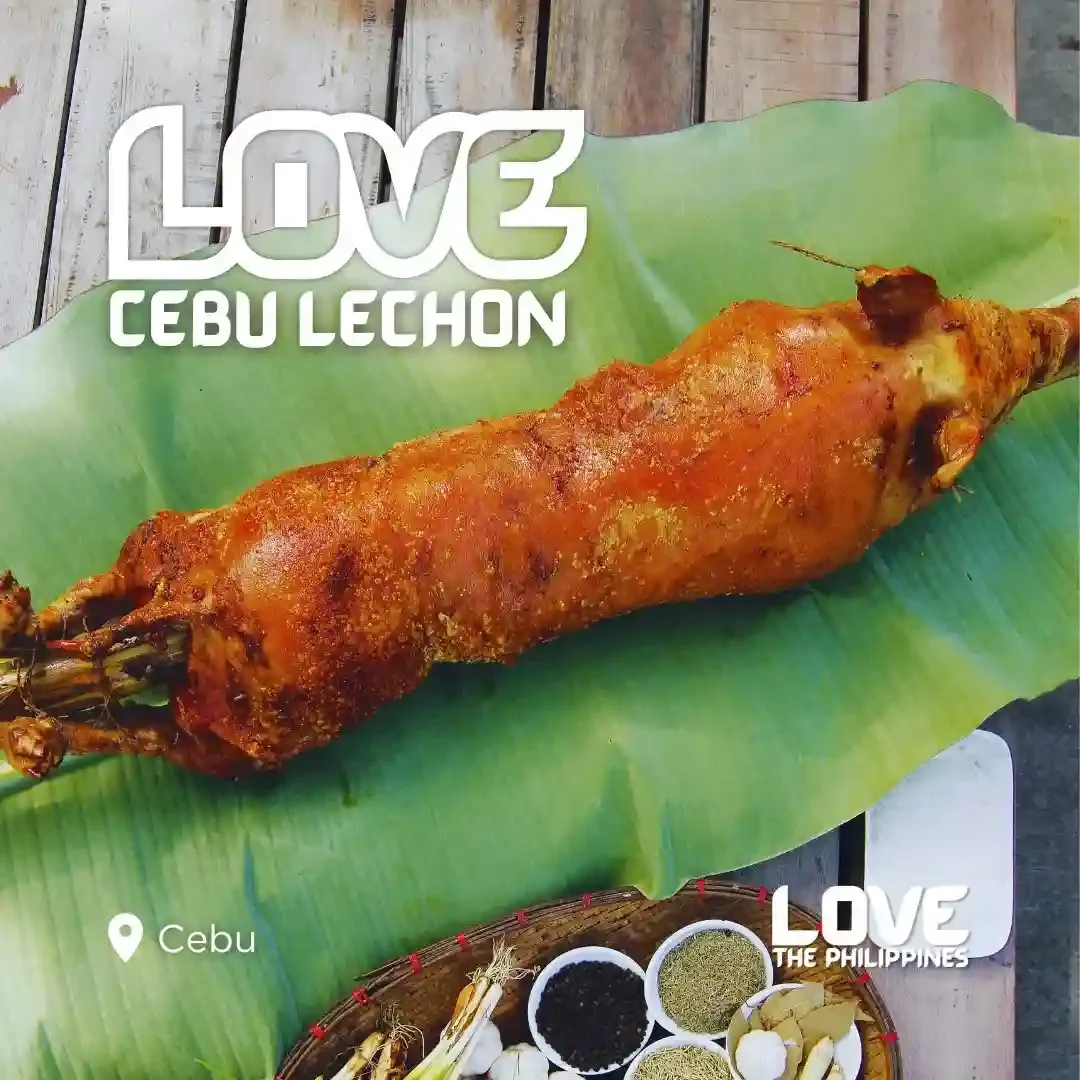
Carcar’s reputation rests on two things. First, lechon. The roasted whole-pig that Cebu City’s famous lechon shops sell is largely Carcar lechon — most of the city’s named shops either source from Carcar producers or use Carcar-style curing and roasting methods. The public market’s lechon strip is the canonical pilgrimage stop for Cebuano food travel. Second, the Carcar Heritage District — a cluster of preserved Spanish-colonial stone-and-wood ancestral houses (bahay na bato) ringing the city plaza, anchored by the Saint Catherine of Alexandria Parish Church (originally Spanish-colonial, repeatedly restored) and a distinctive plaza rotunda. The heritage district is small enough to walk in 30–45 minutes.
Carcar suits travellers doing the south-Cebu route who want a 1- to 3-hour stop, food-focused day-trippers from Cebu City, and travellers interested in central-Visayas Spanish-colonial architecture. It doesn’t suit overnight stays unless you’re specifically slowing down a longer south-Cebu trip — there’s almost no tourist accommodation, the city’s lodging is mostly transient-business inventory, and the experience compresses neatly into a few hours.
What’s here, briefly
- Carcar Public Market — the canonical Cebu lechon market; also famous for ampao (puffed-rice candy), chicharon (deep-fried pork rind), and assorted pasalubong (souvenir food).
- Carcar Heritage District — the plaza-and-ancestral-houses zone, with the Mercado Mansion, the Sa Tabuan Mansion, and other preserved bahay na bato.
- Saint Catherine of Alexandria Parish Church — the principal church on the plaza, Spanish-colonial foundation (1599 community-founding; current structure rebuilt and restored across centuries).
- Carcar Plaza rotunda — the distinctive circular plaza centre, ringed by the heritage buildings, an unusual layout for a Visayas town.
- The south road (Cebu South Road) — Carcar straddles the highway south, so the stop is on the way to Argao, Oslob, Dalaguete, Bato, Moalboal, and Kawasan.
At a glance
| Field | Detail |
|---|---|
| Type | Chartered city of Cebu Province |
| Distance from Cebu City | ~40 km — 45 min to 1 hour by road |
| Distance from MCIA | ~60 km — 1.5 hours by private transfer |
| Main draw | Lechon, ancestral houses, heritage plaza |
| Typical visit | 1–3 hour stop (half-day at most) |
| Overnight stock | Very limited; visit from Cebu City |
| Best months | Year-round (inland heritage stop, not seasonal) |
| Bus | Ceres CSBT → Carcar, ₱60–80, every 30 min |
How to get to Carcar
Ceres bus from Cebu South Bus Terminal (the standard route)
The Bato-bound buses out of CSBT all stop at Carcar — there’s no Carcar-direct express; you flag down any south-bound bus heading to Bato, Moalboal, Oslob, or Argao and ask for “Carcar.” Buses run every 30–45 minutes from 5 AM, fare ₱60–80, 45 minutes to an hour. Most disembark at the Carcar terminal on the south side of the heritage district; from there, the plaza and public market are a 5-minute walk. See Ceres Cebu South Bus for terminal logistics.
A practical detail: returning from Carcar to Cebu City, the buses fill quickly from late afternoon. The 4:00–6:00 PM window can have standing-room buses; aim for 2:00–3:00 PM if you want a sure seat.
Private vehicle or van
Private transfers from Cebu City ₱2,500–3,500 round trip for a half-day Carcar circuit. From MCIA, ₱4,500–6,500. The advantage is the route-stop flexibility — most Carcar visitors do it as a route stop on a longer Moalboal or Oslob day, with the driver waiting while you eat and walk the plaza.
Day-tour packages
The packaged option. Klook’s “Carcar and Argao Tour” is the canonical food-and-heritage day from Cebu City — pickup, the Carcar market lechon, the heritage district, an Argao stop for the church and torta, and return. 6–8 hours total. Useful for travellers who want the food-focused day without DIY logistics. See Top Cebu food tours for the broader food-tour landscape.
As part of a longer south-Cebu day
The natural pattern. Most Moalboal day-trippers stop in Carcar for late-morning lechon on the way south or for an early-afternoon stop on the way back. The same applies to Oslob day-trippers (typically on the return — the 3 AM departure for Oslob makes the early morning Carcar stop impractical, but the 4:00 PM Carcar-return window works). Self-drivers and private-vehicle hires arrange this without difficulty.
What to do in Carcar
Eat lechon at the public market
The headline. The Carcar Public Market has a dedicated lechon strip — typically 8–15 stalls operating, each roasting whole pigs daily. Lechon is sold by weight, typical price ₱400–600 per kilo (mid-2026 reference; varies). You buy a portion, eat it on-site at the market’s communal tables with puso (rice steamed in woven coconut-leaf pouches), vinegar dip, and sinuglaw (kinilaw fish mixed with grilled pork) if available. The standard order is 250–500 g for a person, served warm.
Carcar lechon is somewhat sweeter than the lechon in northern Cebu — locals attribute this to the cure (lemongrass, salt, garlic, and a longer marinating window) and the wood used for the open-fire roast. Most of Cebu City’s named lechon shops (Zubuchon, House of Lechon, and others) either source their pigs from Carcar producers or apply Carcar-style methods. The market lechon is the cheaper, more direct version of what the city restaurants serve at higher prices.
Walk the Heritage District
Twenty to forty minutes is enough to see the core. The plaza is roughly circular — unusual for a Cebu town — with the Saint Catherine of Alexandria Parish Church anchoring one end and the rotunda monument at the centre. Around the plaza sit preserved bahay na bato ancestral houses, including the Mercado Mansion, Sa Tabuan Mansion, the Don Florencio Noel Ancestral House, and others. Many of these are private residences; a few open to visitors on weekends as small heritage museums (entry ₱50–100, opening hours irregular — best to check on arrival).
Architecturally, bahay na bato is the central-Visayas Spanish-colonial townhouse type — coral-stone or tabique-pampango ground floor, hardwood upper floor with carved wooden windows (capiz shell or hardwood lattice), wraparound balconies. The Carcar examples are some of the better-preserved in Cebu Province, partly because the town escaped major war and earthquake damage that flattened heritage stock elsewhere. The plaza ensemble was declared a National Heritage Zone by the National Historical Commission of the Philippines; additional documentation on Carcar’s colonial-era structures is maintained by the National Museum of the Philippines. For a guided version of the heritage circuit from Cebu City, see best Cebu City heritage tours.
Buy ampao and chicharon at the market
The two named Carcar specialties beyond lechon. Ampao is a puffed-rice-and-syrup candy bar, made in dozens of small bakeries around the market; the Carcar version is sweeter and denser than Manila ampao. Chicharon Carcar is deep-fried pork rind, sold in plastic bags at the market — the Carcar version is thicker and crunchier than the typical Visayas chicharon, eaten with vinegar or simply on its own. Both are standard pasalubong for travellers returning to Cebu City or onward.
Saint Catherine of Alexandria Parish Church
The principal Catholic church on the plaza. The Carcar parish was founded in 1599 (parish records); the current church structure has been rebuilt and restored multiple times — fire, earthquake, and weather have all damaged earlier iterations. The current building retains Spanish-colonial proportions, with a wide nave and a baroque-influenced facade. Free entry; modest dress (covered shoulders). A 15-minute visit if you’re not a heritage-architecture enthusiast; longer if you are.
Practical realities
Connectivity: Globe and Smart cover Carcar reliably. Cell signal is fine.
Payment: cash dominates the market and small heritage-house museums. The town centre has BPI and BDO ATMs that work reliably. Larger restaurants accept cards.
Food beyond lechon: the market has good early-morning budbud (sweet sticky rice), grilled bangus (milkfish), and stalls for the standard Cebuano breakfast plates. Carcar’s smaller restaurants outside the market include a handful of long-running carinderias on the side streets; for a sit-down meal, the heritage-district restaurants near the plaza offer Filipino comfort food at ₱200–400 a plate.
Crowd timing: the market’s lechon strip is busiest 10:00 AM to 2:00 PM — pig roasts come out warm in the late morning. Earlier than 9 AM, some stalls are still preparing; later than 3 PM, the best cuts are gone and you’re working with what’s left. Sundays and holidays are heaviest; weekday mid-morning is the easiest visit.
Heritage house access: most ancestral houses are private and not open to visitors. A few open on weekends or by appointment. Sa Tabuan Mansion has irregular weekend hours; check at the plaza on arrival.
Toilets: at the market and around the plaza; small fee (₱5–10).
Onward transport south: from Carcar, the same Ceres bus network continues to Argao (1 hour further south), Dalaguete (1.5 hours), Alcoy (2 hours), Boljoon (2.5 hours), and Oslob (3 hours). Flag the south-bound bus from the Carcar terminal — no advance booking needed.
When to come, when to skip
Come for: a 1- to 3-hour food-and-heritage stop on the way south. Right for travellers doing Moalboal, Oslob, Argao, or Dalaguete from Cebu City — Carcar is on the route. Also right for Cebu City-based travellers doing a half-day food day-trip.
Skip if you’re not interested in food culture or heritage architecture. Carcar doesn’t have beaches, dive sites, or natural attractions; if those are what you want from south Cebu, push on to Moalboal or Oslob.
Year-round: Carcar isn’t seasonal. The heritage and food don’t change with the weather, and the city sits inland enough to be unaffected by most typhoon-edge weather that disrupts the southwest coast. Sunday and holiday crowds are the only timing variable.
Plan around:
- Sundays and Filipino holidays — market crowds and parking pressure are heaviest; weekday mornings are the easiest visit.
- Holy Week (March or April) — Catholic processions move through the plaza Holy Thursday and Good Friday; the church is the focal point. Worth seeing if you’re already in Cebu Province; difficult to do on the same day as Moalboal or Oslob.
Other places to consider
- Argao — heritage south-coast town, 30 minutes further south on the same road. Pair with Carcar in a single half-day food-and-architecture circuit.
- Dalaguete — gateway to Osmeña Peak (Cebu’s highest point at 1,013 m); 1 hour further south.
- Oslob — the whale-shark coast, 3 hours further south.
- Moalboal — the southwest dive coast, 2 hours further south via the cross-peninsula route.
- Cebu City — the base; Carcar is the south-Cebu route’s first major stop from Cebu City.
- Top Cebu food tours — for the packaged food-day option that includes Carcar.
Heritage and route detail reflects publicly available information as of 2026-05-15. Confirm before travel. cebu.tips earns a commission on bookings made through partner links at no cost to you.